Soccer Guides / Laws of the game explained
Substitutions and concussion substitutes
How many players a team can bring on, the three-window rule, the new ten-second exit rule and how permanent concussion substitutes protect players.
The current limits
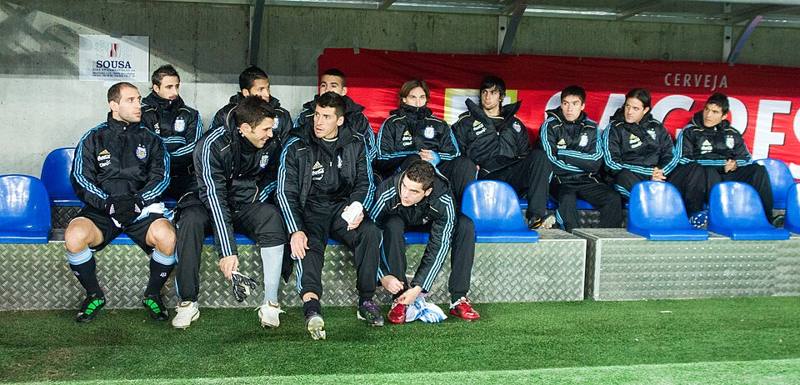
Law 3 lets competitions set their own limits within a maximum. In top-level senior competitions the usual setup is:
- Up to five substitutes per team.
- A maximum of three substitution opportunities during the match, plus changes made at half-time. Making several changes at the same stoppage counts as one opportunity.
- If the match goes to extra time, competitions may allow one additional substitute and one additional opportunity.
Five substitutes began as a temporary measure in 2020 to protect player welfare during a congested schedule, and IFAB later made it a permanent option. Lower-level, youth and grassroots competitions can allow more, and can use return substitutes (rolling substitutions), where a player who comes off can go back on later.
How a substitution happens
- The referee must be informed before any substitution.
- The player being replaced leaves the field, normally at the nearest point on the boundary line, unless the referee says otherwise.
- The substitute enters only during a stoppage, at the halfway line, after the replaced player has left.
New in the 2026/27 Laws: the player being substituted must be off the field within ten seconds of the substitution board being shown. If they take longer without a valid reason, the substitute cannot enter until the first stoppage after one minute has passed since play restarted, leaving the team short-handed for that time. Exceptions apply for safety or injury.
Permanent concussion substitutes
Concussion is a serious brain injury, and a player who has a suspected concussion should not keep playing. IFAB's protocol for additional permanent concussion substitutes allows a team to replace a player with a suspected concussion without using one of its normal substitutes. Key points:
- It is optional. Each competition decides whether to use it.
- In competitions that use it, a team can make up to two concussion substitutions in a match.
- Each time a team makes one, the opponents get the option of an additional substitution as well, so neither side gains a tactical advantage.
- The replaced player cannot return to the match, which is why it is called permanent.
If you coach or play at any level and someone shows signs of concussion, such as confusion, headache, dizziness, vomiting, balance problems or loss of consciousness, remove them from play and seek medical help. "If in doubt, sit them out." This page is general information, not medical advice.
Injured players and the one-minute rule
To reduce time-wasting, the 2026/27 Laws say that a player who is treated on the field generally must leave and can only re-enter one minute after play has restarted. There are exceptions, including an injured goalkeeper and a player injured by an opponent's offence that was punished with a card, when the assessment is quick.
Tactical uses of substitutes
Coaches use substitutes to protect a lead, chase a goal, manage fatigue or change formation. A fresh winger against a tired fullback in the last 20 minutes can change a match, which is why many coaches talk about "finishers" rather than substitutes.