Soccer Guides / History of the game
How the rules of soccer evolved
From the first Football Association Laws of 1863 to penalty kicks, the modern offside rule, red and yellow cards, the back-pass rule and VAR, a timeline of the changes that shaped the game.
Before the Laws
Ball games played with the feet existed in many places for centuries, but they had no shared rules. In 19th-century England, schools and clubs each played their own version: some allowed carrying the ball, some did not. In 1848 a group at Cambridge University wrote one of the first attempts at common rules, known as the Cambridge Rules.
1863: the Football Association
On October 26, 1863, representatives of clubs and schools met at the Freemasons' Tavern in London and formed the Football Association (FA). Over several meetings they agreed the first Laws of the Game. Supporters of carrying the ball and hacking at opponents' shins left, and their game developed separately into rugby.
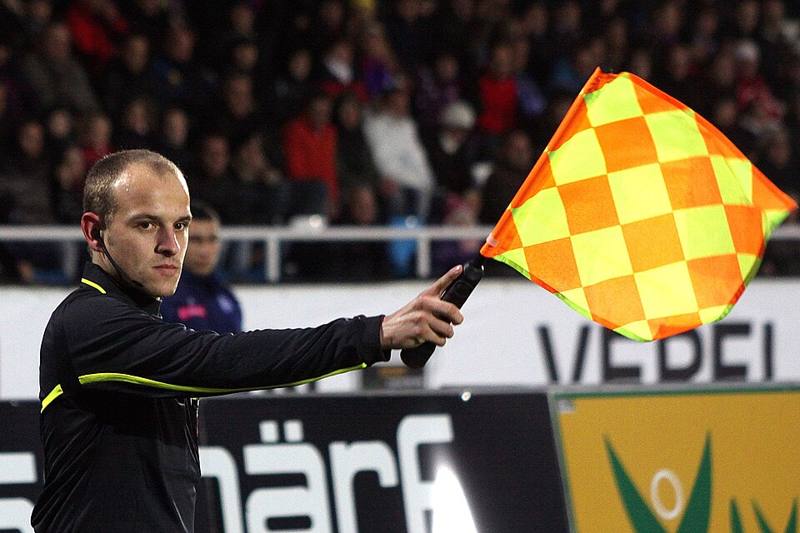
The early Laws were very different from today. There was no crossbar (a tape was used at first), no referee in the modern sense, and offside was much stricter.
1886: IFAB takes charge
As the game spread, the football associations of England, Scotland, Wales and Ireland formed the International Football Association Board (IFAB) in 1886 to keep one set of Laws. FIFA joined IFAB in 1913. Today IFAB still writes the Laws, and changes need the support of FIFA and the British associations. See the basics.
A timeline of big changes
| Year | Change |
|---|---|
| 1872 | Corner kick introduced |
| 1875 | Crossbar allowed to replace tape |
| 1891 | Penalty kick introduced; goal nets came into use around the same time; referees moved onto the field with linesmen on the touchlines |
| 1912 | Goalkeepers allowed to handle the ball only inside their own penalty area |
| 1925 | Offside changed so only two opponents, not three, are needed between the attacker and the goal line |
| 1970 | Yellow and red cards used at the World Cup; substitutes allowed at the World Cup |
| 1970 | Penalty shootouts approved by IFAB to decide tied matches |
| 1990 | An attacker level with the second-last defender is onside |
| 1992 | Back-pass rule: goalkeepers may not handle a deliberate kick-pass from a teammate |
| 2018 | Video assistant referees written into the Laws; used at the World Cup |
| 2022 | Up to five substitutions made a permanent option in the Laws |
Offside: the rule that keeps changing
Offside has changed more than any other Law. Early versions treated any player ahead of the ball much like rugby. The 1925 change from three defenders to two led to a sudden jump in goals and pushed teams to rethink defense. The 1990 "level is onside" change and later guidance on what counts as active play were aimed at helping attackers. With VAR and semi-automated offside technology, the line itself is now judged far more precisely. See offside.
Cards and discipline
Yellow and red cards were inspired by traffic lights, an idea credited to English referee Ken Aston. Before cards, cautions and sending-offs were given verbally, which caused confusion when players and referees did not share a language. See fouls and cards.
Points and tournaments
Rules outside the Laws changed the game too. Three points for a win, instead of two, was introduced in English soccer in 1981 and adopted for the World Cup in 1994, to reward attacking play. The golden goal, where the first goal in extra time ended the match, was used in some major tournaments in the 1990s and early 2000s before being dropped.
Technology arrives
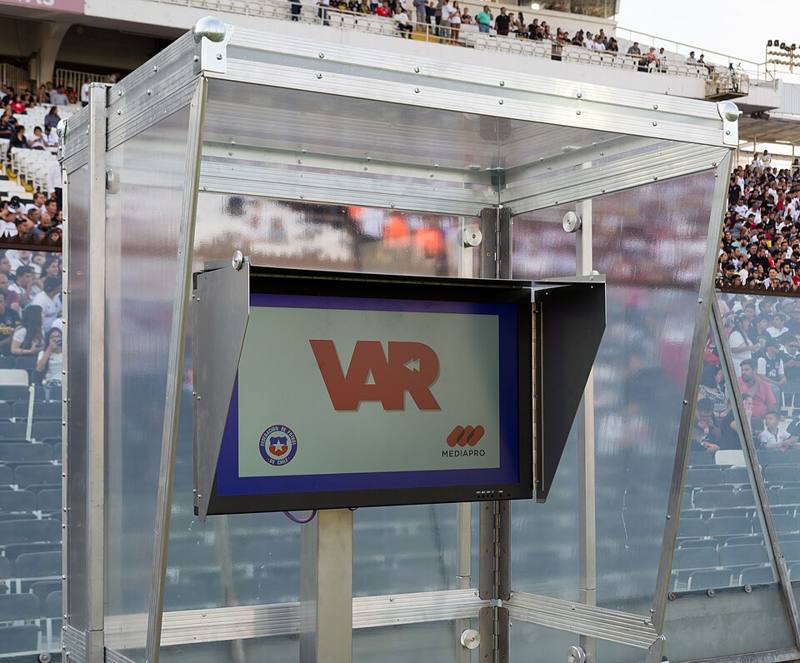
Goal-line technology was approved by IFAB in 2012 after a series of high-profile mistakes. VAR followed in 2018. More recent changes include stricter handling of time-wasting by goalkeepers. Each new edition of the Laws, published every year, adds small clarifications. See VAR.
IFAB publishes the full Laws of the Game free online every year, with a summary of what changed. It is a short and surprisingly readable document.